
Personal Development

Building Resilience, Relationships And A Strong Sense Of Self
Our Rationale
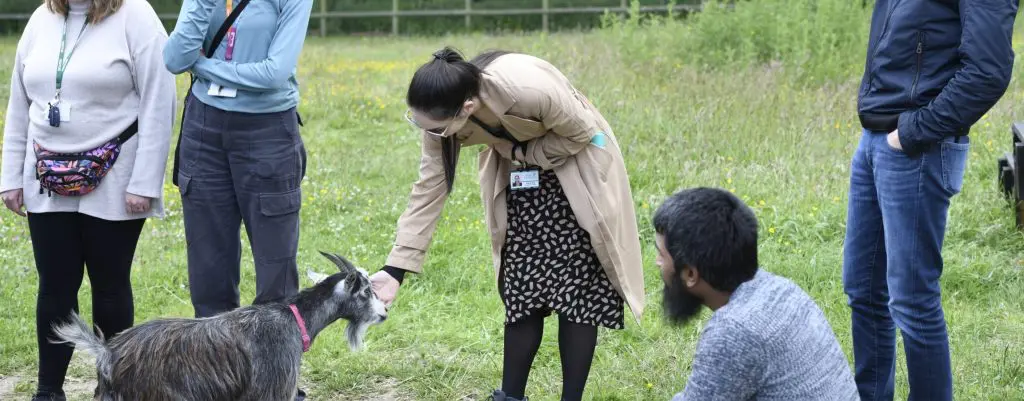
Personal Development is a core element of the Alternative Curriculum at Stable Futures and is aligned with Ofsted’s Education Inspection Framework. It supports learners in becoming confident, emotionally intelligent and socially aware individuals, ready to make safe, healthy and informed choices throughout life.
We believe that growth comes through feeling safe, being vulnerable and learning from mistakes. By providing a supportive, non-judgmental environment, we help young people navigate adversity, develop self-awareness and grow into empowered, responsible individuals.
Our Approach
Personal Development at Stable Futures is not taught in isolation, it’s embedded across all areas of our curriculum and daily practice. Through direct teaching, therapeutic interaction, and real-world learning experiences, we aim to:

Support Each Learner In Recognising Their Unique Identity
Build Emotional And Social Skills For Meaningful Relationships
Promote Physical, Emotional, Cognitive, Social And Spiritual Wellbeing
Help Young People Find Purpose, Direction And Autonomy
Encourage Resilience, Responsibility And Reflection

“Emotional Intelligence Is The Capacity For Recognising Our Own Feelings And Those Of Others, For Motivating Ourselves, For Managing Emotions Well In Ourselves And In Our Relationships.”
— Daniel Goleman (1998)

Curriculum And Framework
All learners have dedicated Personal Development sessions built into their timetables, tailored to meet their individual needs and goals. Our structured framework supports ongoing development across six key areas:

Within each area, we identify more specific focus points, co-developed with staff, the young person, and stakeholders. These areas allow us to personalise goals and track progress in a meaningful, measurable way.
What Personal Development Looks Like
Whether through circle time, reflective conversations, targeted activities or wider therapeutic engagement, learners are encouraged to:
Explore their emotions, values and behaviours
Understand their impact on others and the wider community
Build skills for positive relationships, conflict resolution and empathy
Gain confidence to take on new challenges and learn from setbacks
We nurture the whole child, supporting them to feel safe, heard and equipped with the tools they need to shape a fulfilling future.
“We Remain Reflective Upon Our Practice To Ensure We Are All Held Accountable For Not Only Safeguarding The Young People, But For Supporting Them To Achieve Their Best Possible Outcomes.”
— Gary Carlin, Founder & Director
