
Horticulture

Social and therapeutic horticulture at Stable Futures
Calm, connection and hands-on learning in nature.
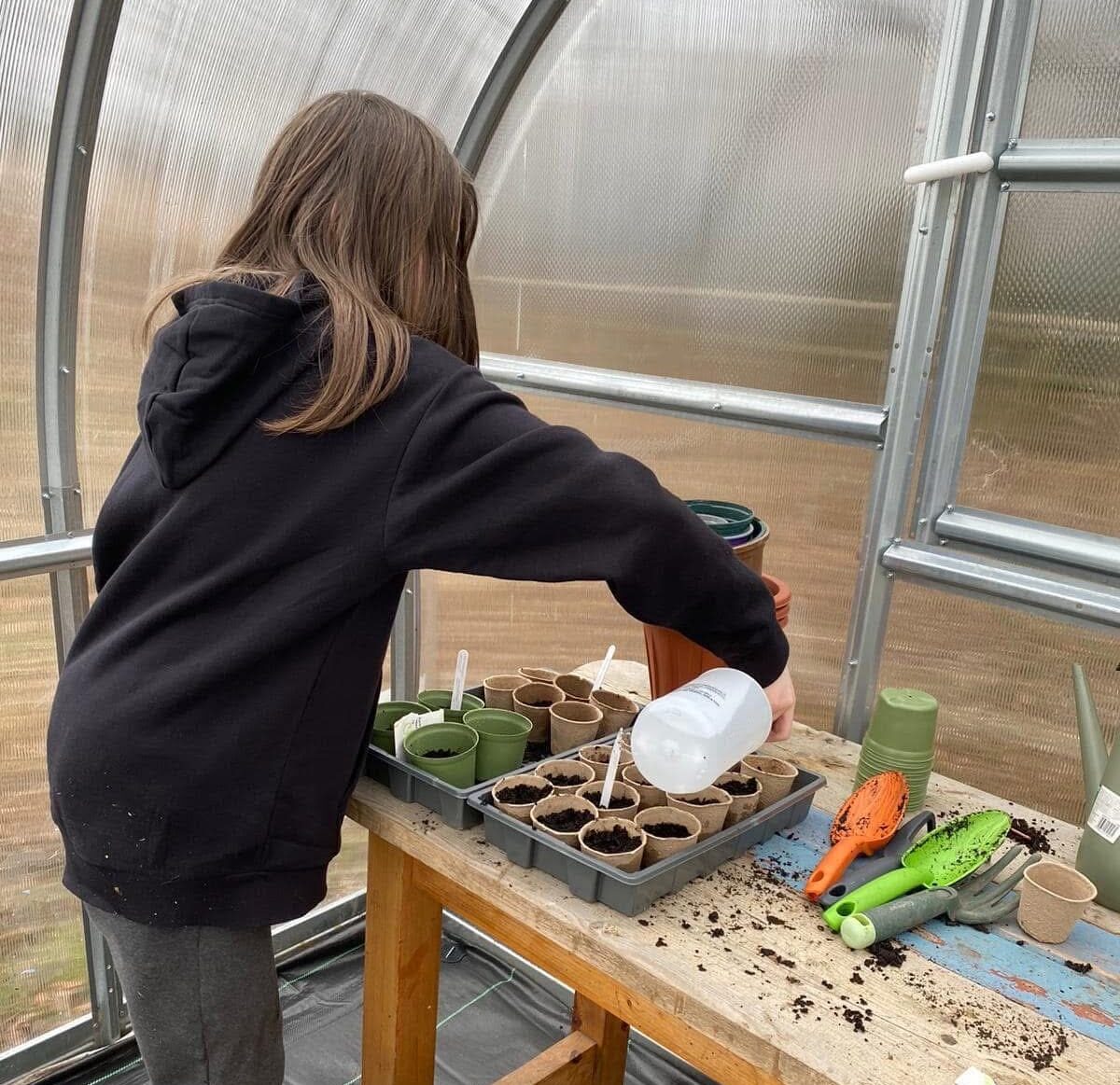
Horticulture at Stable Futures gives young people space to grow. Not just plants, but confidence, focus and a sense of belonging. Our approach draws on social and therapeutic horticulture, an established practice that uses gardening to support wellbeing, social development and practical skills at the same time. Sessions run outdoors at Simms Farm, across the greenhouses, raised beds and wider grounds.
Social and therapeutic horticulture
Gardening as a route to regulation and connection
For many learners, gardening is more than a task. It is a way to relax, regulate and reconnect. These sessions are designed to support emotional wellbeing and social development, and work particularly well for young people with SEND, anxiety or a history of disrupted education
- Gentle, low-demand tasks that support focus and reduce anxiety
- Working alongside trusted adults in quiet outdoor spaces
- Building trust, self-worth and connection at the young person’s own pace
Connecting with living things and seeing their own efforts take root can be profoundly steadying. Young people commonly report improved mood, better sleep and a stronger sense of purpose.
Vocational and accredited horticulture
Learning real skills for future opportunities
Some young people are ready to turn their interest in gardening into something more. These sessions build towards recognised skills and open pathways into green industries, groundskeeping and land-based work.
- Tasks like sowing seeds, propagating plants and harvesting produce
- Safe use of tools and equipment
- Working towards AQA Unit Awards or other vocational qualifications
Food Growing and Sustainable Agriculture
Connecting growing, eating and the environment
These sessions help young people understand where food comes from and how their choices affect the world around them. Produce grown here goes straight into our culinary skills programme.
- Growing vegetables and herbs in raised beds or greenhouses
- Harvesting produce to use in cooking sessions
- Exploring composting, food systems and seasonal eating
Land Management and Ground Care
Looking after outdoor spaces with pride
Young people take responsibility for shared spaces while learning the basics of outdoor maintenance. These sessions often link to construction or joinery tasks.
- Jobs such as weeding, watering, pruning and clearing
- Learning how to look after tools and equipment
- Taking part in practical projects such as repairing planters or building bird boxes
Horticultural Enterprise
Turning growing into purposeful projects
This strand introduces simple business skills through hands-on projects. Young people learn how to grow or make products they can display or sell.
- Growing plants or produce for school or community sale
- Making garden-related items like, pots, signs or crafts
- Exploring planning, budgeting and teamwork
Therapeutic Horticulture Programmes
We offer three types of structured horticultural experiences:

Therapeutic
Promoting wellbeing, recovery, and emotional resilience
Vocational
Building skills for future employment and independent living
Social Skills
Fostering connection, teamwork, and shared experiences
Holistic Benefits
Gardening and being outdoors support:
Improved mood, reduced anxiety and stress
Increased self-esteem and social skills
Sensory stimulation and physical coordination
A sense of purpose and responsibility
Connecting with living things and seeing their own efforts take root and flourish can be profoundly healing for young people.
Social and Therapeutic Horticulture
For many learners, gardening is more than a task. It is a way to relax, regulate and reconnect. These sessions are designed to support emotional wellbeing and social development.

Gentle tasks that support focus and reduce anxiety
Working alongside trusted adults in quiet outdoor spaces
Opportunities to build trust, self-worth and connection
Accreditation Available
Learners can work towards AQA Unit Awards and Certificates, celebrating progress, engagement, and achievement in a supportive and flexible format.
We’re Here When You’re Ready
Supporting young people to find their confidence and direction is what we do best.
