If you are supporting a young person who is struggling at school, you will know how hard it can be to work out what comes next. You can see they are unhappy. You know something needs to change. But knowing which kind of setting will help is not always simple.
At Stable Futures, we have these conversations with SENCOs, social workers, local authority teams and families all the time. We know that the right setting, found at the right time, can make all the difference to a young person. So we have put together this guide to help you think it through.
What is Alternative Education?
Alternative education is for young people who are not thriving in school. It offers them a different place to learn, a different pace and a gentler way back into learning. For many young people, it is the first time in a long while that education has felt possible.
What Stable Futures Does for Young People
Stable Futures is the alternative education setting of Amegreen Children’s Services, based on the West Berkshire and Hampshire border. Since 2019, we have been welcoming young people aged
6 to 18, including those with SEMH needs or autism and those who have been through trauma or long gaps in their education.
We are not a riding school. We are a place where young people can feel safe, rebuild trust in the adults around them and rediscover that they can learn, with a little help from our horses, our animals and the outdoors.
Two Very Different Places to Learn
The Farm is where most young people start. It is home to our horses and animals, surrounded by pasture and woodland. When it is time to come indoors, there is the Shire Room, which has a secondary school feel for more structured learning, and the Dartmoor Room, a light and welcoming converted barn. There is also an outdoor learning centre right beside the small animals, a meadow for growing and spotting wildlife and an arena for time with the horses.
The Paddock is our forest site, and it is a special place. Young people take part in Forest School there, building shelters, finding their way using nature, foraging and cooking, whittling, trying archery and tackling the low ropes course.
Learning With Horses and Animals
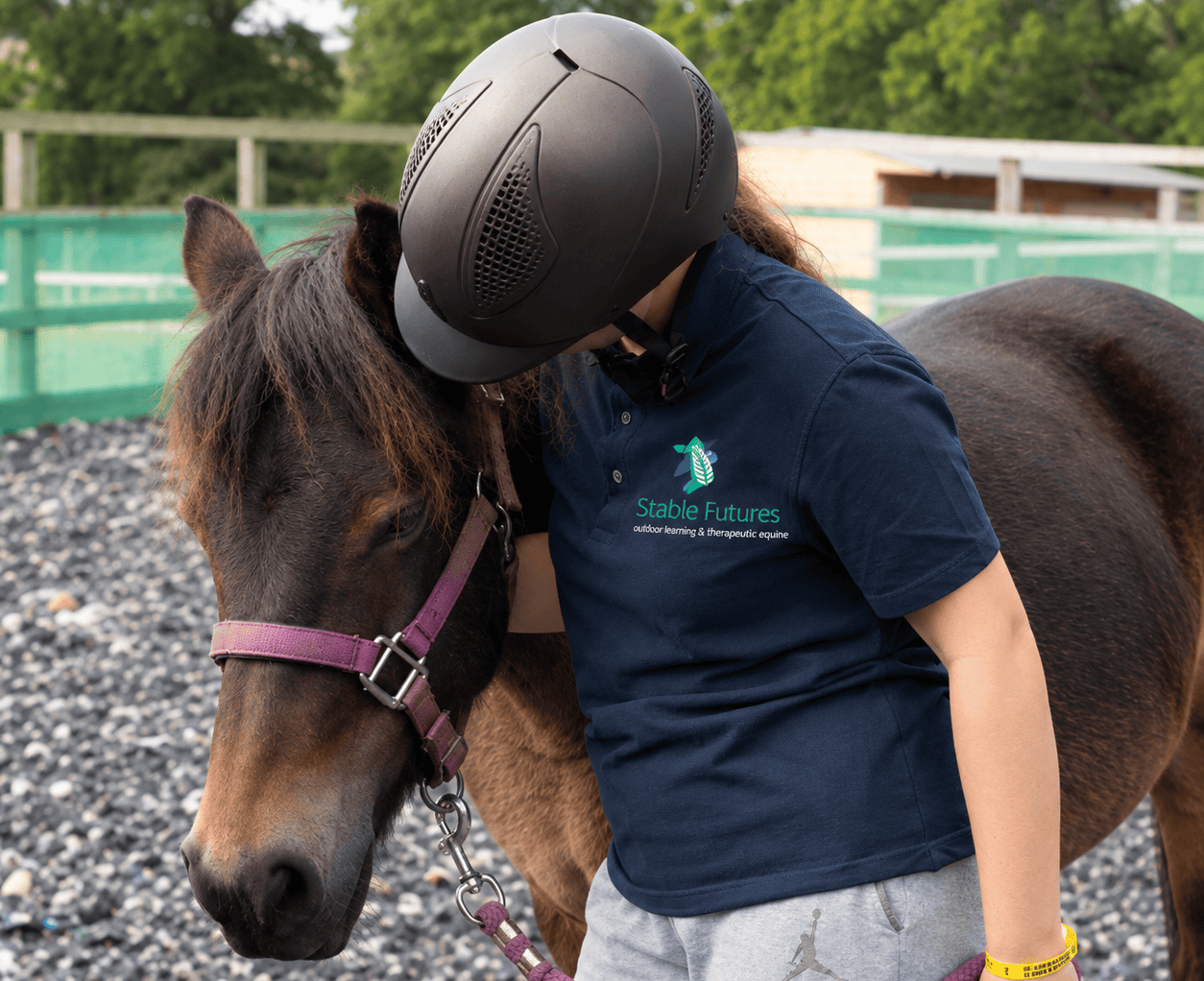
Our equine programme is mainly unmounted. Young people learn by spending time with the horses: grooming them, caring for them, helping with stable management and simply watching the herd. Many of our horses were rescued, and their stories of learning to trust again often mean a great deal to young people who have had a hard start themselves.
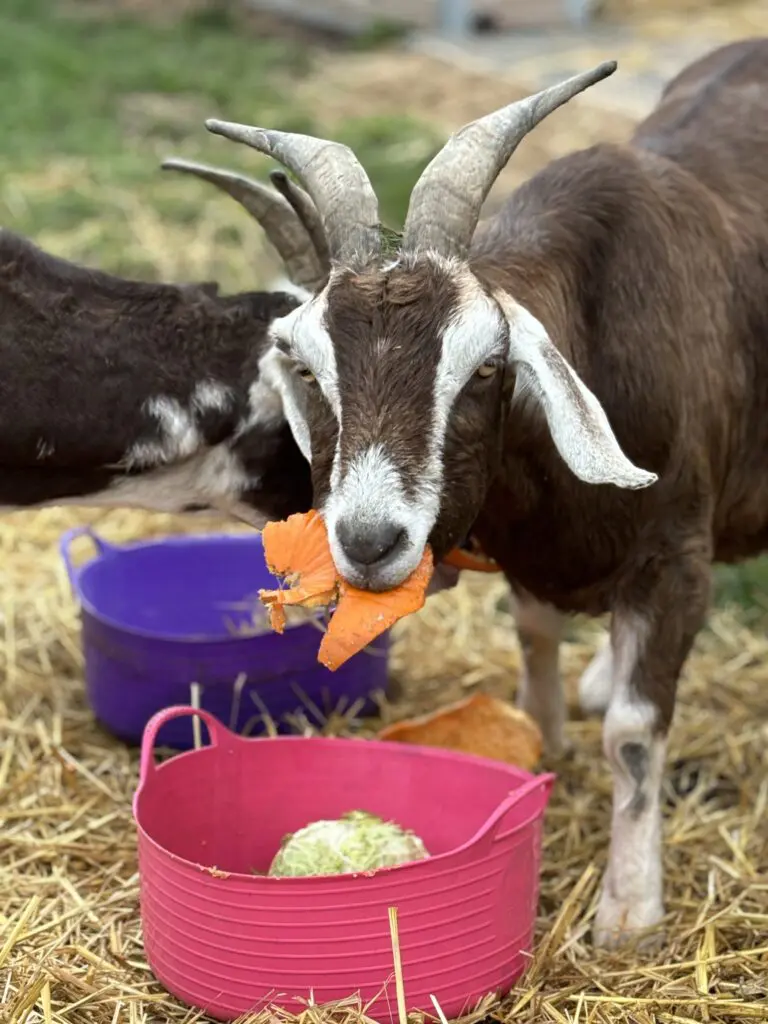
Alongside the horses, young people help look after our alpacas, pygmy goats, sheep, chickens, ducks, guinea pigs and tortoises. They feed and check the animals, take the goats for walks and help with jobs like trimming the sheep’s feet. Along the way, they learn about animal welfare, safe handling, nutrition and first aid. For a young person who finds the bigger animals a bit much at first, the guinea pigs and tortoises are a lovely, gentle place to begin.
An Alternative Curriculum
Our alternative curriculum includes PSHE, cooking, art and design, horticulture and careers. Young people can try one area or several, depending on what interests them and what they need. Groups are small, with up to four young people to one adult, so nobody gets lost. Every session has clear routines and small, achievable steps, and targets link to the goals agreed with the referrer.
Qualifications and Next Steps
We want every young person to leave with something to be proud of. They can work towards AQA Unit Awards and Certificates, ASDAN Small Animal Care, RDA Proficiency Tests and City & Guilds Entry Level Functional Maths, Functional English and Employability Skills. Older young people also get help with CVs, interview practice, college applications, visits to local colleges and work tasters.
How a Placement Starts
Every placement starts with a visit to the farm, so a young person can see it for themselves before anything is decided. We take care to match them with the right small group, and some begin with short sessions that grow as their confidence does. Referrers receive a weekly tracker, so you always know what the young person has been working on and how it links to their outcomes.
What Changes for Young People
Progress here often starts small. A young person who stays a little longer than last week. Who chats with someone in their group for the first time. Who arrives looking forward to seeing a
favourite horse. We look for growth in wellbeing and regulation, engagement and readiness to learn, confidence and independence, and skills for next steps.
Families have told us about young people who had been out of education for a long time and now look forward to their sessions, talk with others their age again and feel real pride in what they have achieved. Some have gone on to college. Those are the moments that matter most to us.
What is a Specialist School?
A specialist school is a full-time school for young people with special educational needs. Classes are smaller, teaching is adapted and support for needs such as autism, SEMH or learning difficulties is part of every day. A place is usually named in a young person’s EHCP.
Within the Amegreen group, Amegreen Education runs three specialist schools: Haywards Farm School and Northcroft School.
When Alternative Education Might be the Right Fit
You might consider alternative education if a young person:
- Has lost their connection with learning and needs a fresh start
- Is finding it hard to attend, or school has become a source of real worry
- Learns best by doing and seems happiest outdoors
- Needs time and steady support to rebuild confidence, routine and trust in adults
- Is older and would benefit from practical qualifications and a clear next step
When a Specialist School Might be the Right Fit
A specialist school may be the better choice if a young person:
- Needs full-time specialist teaching across the whole curriculum
- Has long-term needs that call for specialist support every day
- Feels most secure with the structure of a full school day, with therapeutic support woven through it
It Does not Have to be One or the Other
Many young people do best with a mix of both. Because Stable Futures and our schools are part of the same group, a young person can move between them without having to start again with an outside organisation and new faces.
We Would Love to Talk
Every young person’s story is different, and there is no wrong time to ask a question. If you are weighing up the right setting for a young person, our team would be happy to talk it through and welcome you both for a visit to the farm. Make a referral or get in touch.