
Animal Programmes

Animal Programmes
Therapeutic engagement and vocational learning through guided sessions with small animals.
At Stable Futures, our animal care programme combines therapeutic interventions with engaging, science-based learning, helping children and young people explore the physical and emotional needs of animals while developing empathy, responsibility and life skills.
Through hands-on interaction and structured learning, we support a deeper understanding of animal welfare, rescue work and our shared responsibility for all living things, rooted in the principles of One Welfare, the interconnected wellbeing of animals, people, and the planet.
“When I look into the eyes of an animal, I do not see an animal. I see a living being. I see a friend. I see a soul.” A.D. Williams
Our Animals
Alongside our horses, learners engage with a range of animals, including:
Alpacas
Thor and Loki are without a doubt the cleverest animals at the farm. They take a bit of time to get to know you, but once you are on their “approved list”, they are fiercely loyal and will happily accept yummy treats for hours.
Thor and Loki are a little older now and take a bit of extra care, but they give the learners the opportunity to learn about looking after animals who require that bit of extra TLC.
Pygmy Goats
Our pygmy goat herd is incredibly popular, and although they are smaller than the big goats, they certainly don’t lack in personality! Zena, Eeyore, Bobby Moo, Marshmallow, Sparrow, Salty and Peppa bring an element of fun and exploration to our herd, allowing our learners to take them for walks, give them baths and build climbing frames for them to play with.
We are extremely lucky to have such a wonderful herd of big personalities, who are all so gentle and fun to spend time with.
Sheep
Frank, Dolly, Georgie and Joey are a familiar picture gracing the landscape of Stable Futures. These gorgeous sheep allow our learners an introduction to “farming” enabling them to access experiences such as shearing, feet trimming and weight management.
Frank is without hesitation one of the largest sheep you will ever meet weighing in at an impressive 105kg, but he loves nothing more than being read to by our learners and having his ears scratched!
Chickens & Ducks
As well as rehoming some chickens from the British Hen Welfare Trust, we also have hens on the farm who hatched in our incubator! Happy to see anyone (especially if you are carrying a yellow feed bucket!) they are the first faces you will meet when you come to our livestock area, enthusiastically running to greet all visitors.
Living alongside our chickens are our ducks – Donna, Dave, Bubbles and Quackers – who spend their days following each other around in a perfect line and dipping in their pond.
Guinea Pigs & More
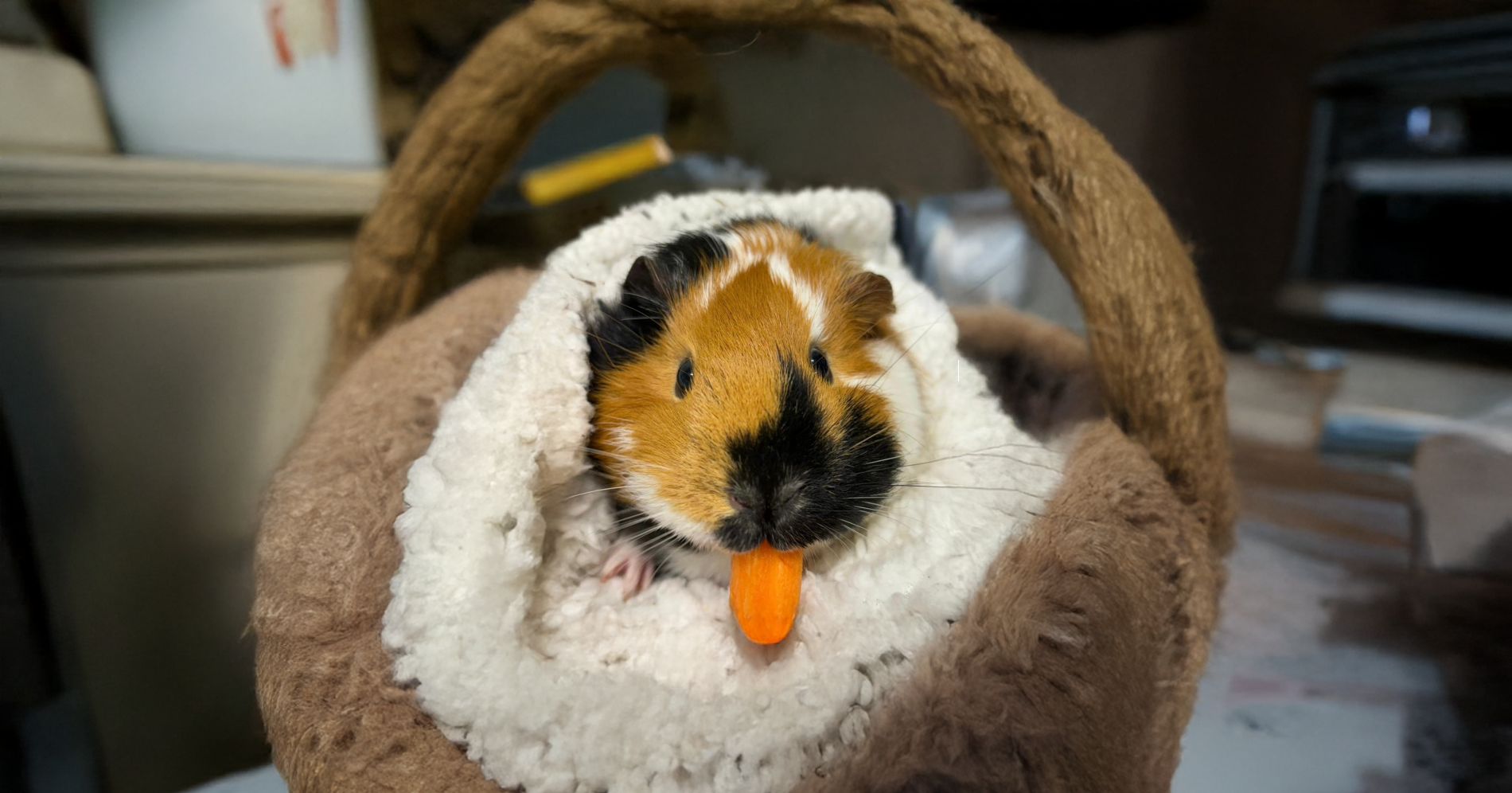
Our guinea pigs and tortoises offer learners the opportunity to spend time with smaller animals, which is a great place to start if our larger animals feel like a step too far to begin with. Often joining our learning sessions they offer a calm reassurance for learners who just need that presence to help them access their sessions.
Whether it is City and Guilds or PSHE, our pet animals are happy to join in!
Big Goats
The first of the smaller animals to join us at the farm, Brown Girl, Betty and Basher are seasoned experts when it comes to teaching learners how to handle and care for our animals. Although they are the biggest animals at the farm, they are kind, calm and gentle, and as well as offering the opportunity to do hands on practical learning, also love spending time with the children when they need a quiet moment to regulate or to just be with the animals.
We also have a beautiful Golden Guernsey goat, Bandit, who is one of our big goats, Bandit was bottle reared on the farm and brings an element of “cheeky” to the mix, teaching learners that respect for our animals is so important.
Many of our animals have been rescued, and their stories provide powerful, real-life learning opportunities around healing, resilience, and care.
What We Cover
Alongside our horses, learners engage with a diverse range of animals, including:
Daily Needs & Wellbeing
- Routine animal care and feeding
- Health and environment checks
- Creating enrichment opportunities
Animal Welfare
- Understanding the Animal Welfare Act and the 5 Freedoms
- Role of the RSPCA and other rescue charities
- Exploring ethics and responsibility in animal care
Safety
- Conducting risk assessments
- Safe handling of animals
- Emergency protocols
- Human First Aid
Nutrition
- Recognising signs of illness
- Identifying suitable foods and feeding schedules
- Seasonal nutrition needs
- Food quality and cost
Habitats & Ecology
- Adaptations to environments
- Tracking wildlife and recognising signs
- Woodland, waterway, and mini-beast exploration
- Biodiversity and environmental awareness
- Rescue & Rehabilitation
- Spotting animals in distress
- Basic behavioural support techniques
- Understanding long-term care, rehabilitation, and retirement
Health & Hygiene
- Recognising signs of illness
- Emergency response and first aid
- Building an animal first aid kit
- Introduction to veterinary and holistic care (vet, farrier, dentist, chiropractor, acupuncture, supplements, etc.)
Building Futures with Animals
Our sessions go beyond the basics – helping learners:
- Explore careers in animal care, farming, and welfare
- Understand education pathways and qualifications
- Develop practical, transferable skills that promote independence
- Gain confidence to take their next steps into further learning or employment
Qualifications & Accreditations
Learners can gain recognised awards that demonstrate engagement, skill, and progression:

ASDAN (Small Animal Care)
RDA (Proficiency Tests)
AQA Unit Awards
Our practical and vocational focus ensures that learning is meaningful, accessible, and relevant to real-world applications in the animal care industry.
Meet Our Small Animals
Gentle Companions, Powerful Connections
Our small animals play a vital role in the therapeutic and educational work we do at Stable Futures. These gentle, engaging companions help children and young people develop empathy, responsibility and emotional awareness in a safe, non-judgemental environment.
Each animal has its own story and personality, and many have been rescued or rehomed. They are wonderful ambassadors for compassion, resilience and second chances. From guinea pigs and pygmy goats to ducks and chickens, they offer comfort, curiosity and a sense of calm to those who need it most.
Spending time with our small animals can help learners build trust, reduce anxiety and grow in confidence through nurturing, meaningful interactions.
Get in Touch
Stable Futures offers a unique environment where young people can grow, thrive and reconnect with learning. Whether you are making a referral or simply want to find out more, we would love to hear from you.
